
Project Gallery
Image gallery of work from The 3D Shed.
A closer look at parts, designs and details.
More image galleries will be added over time.
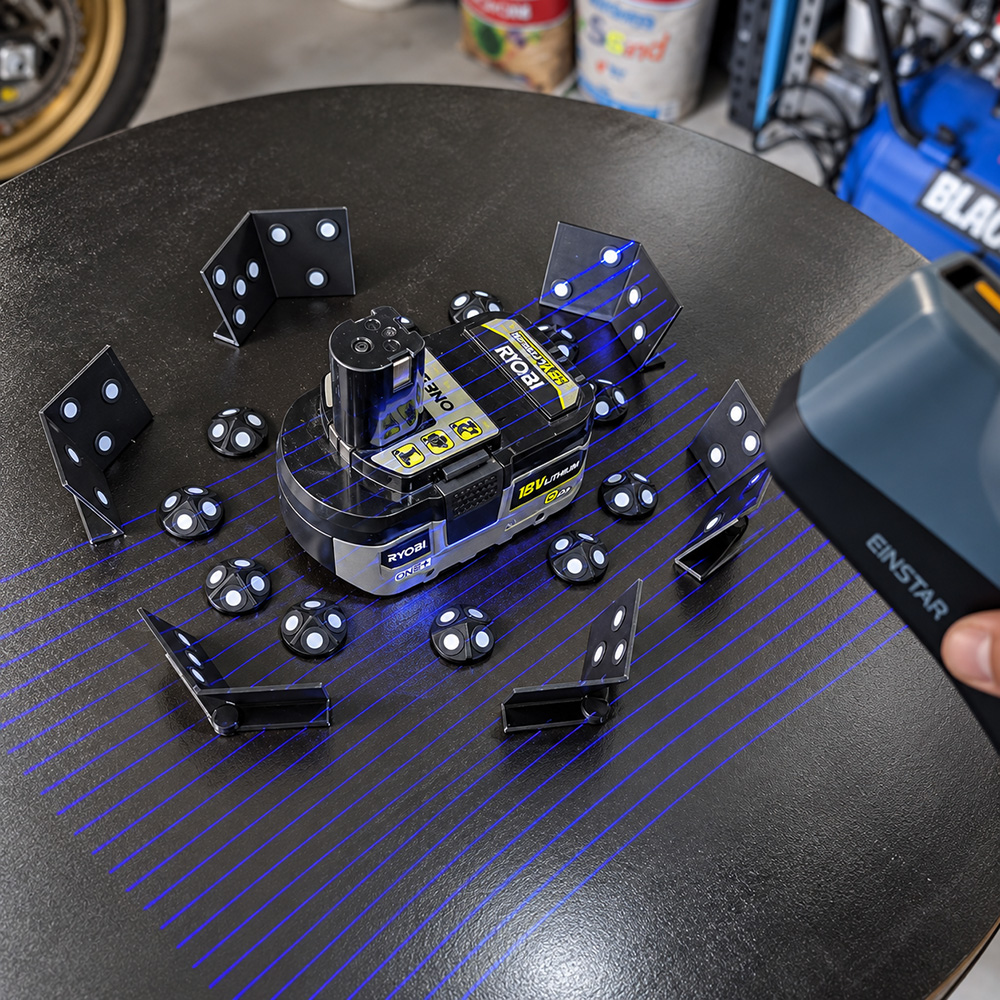
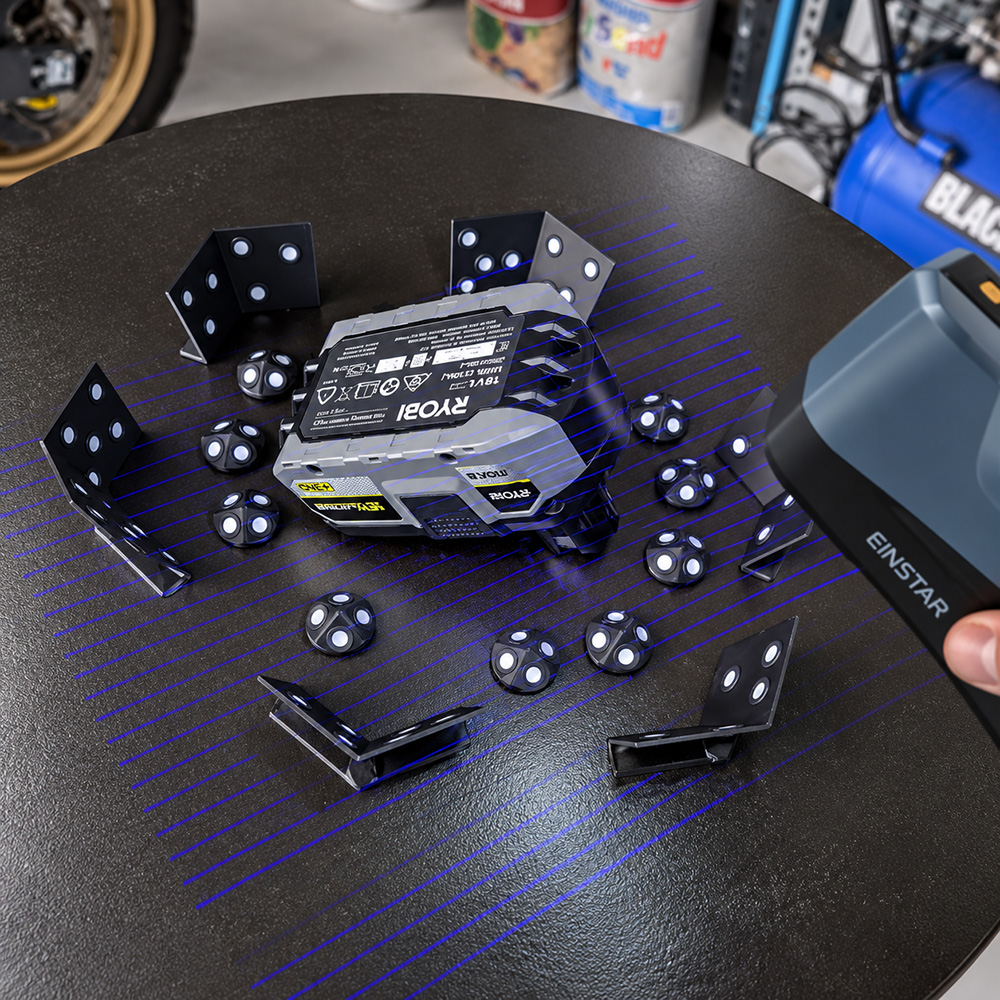
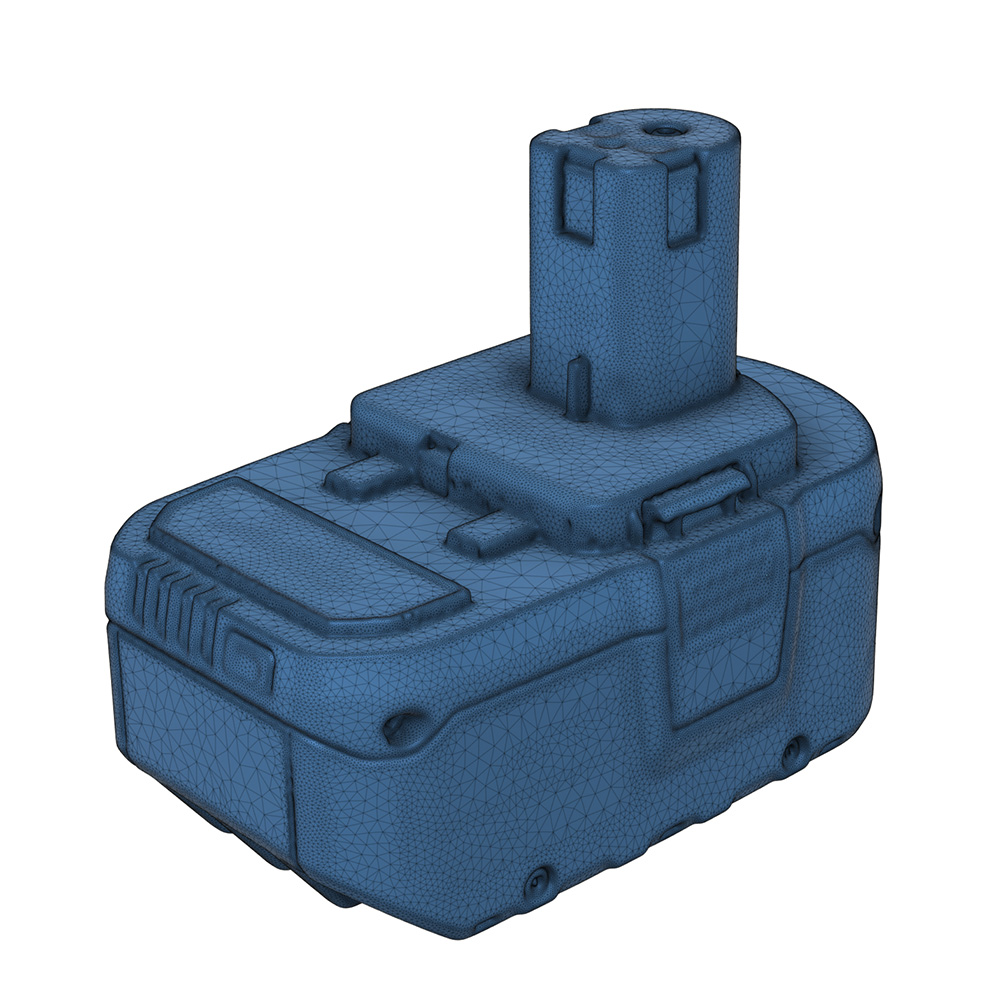
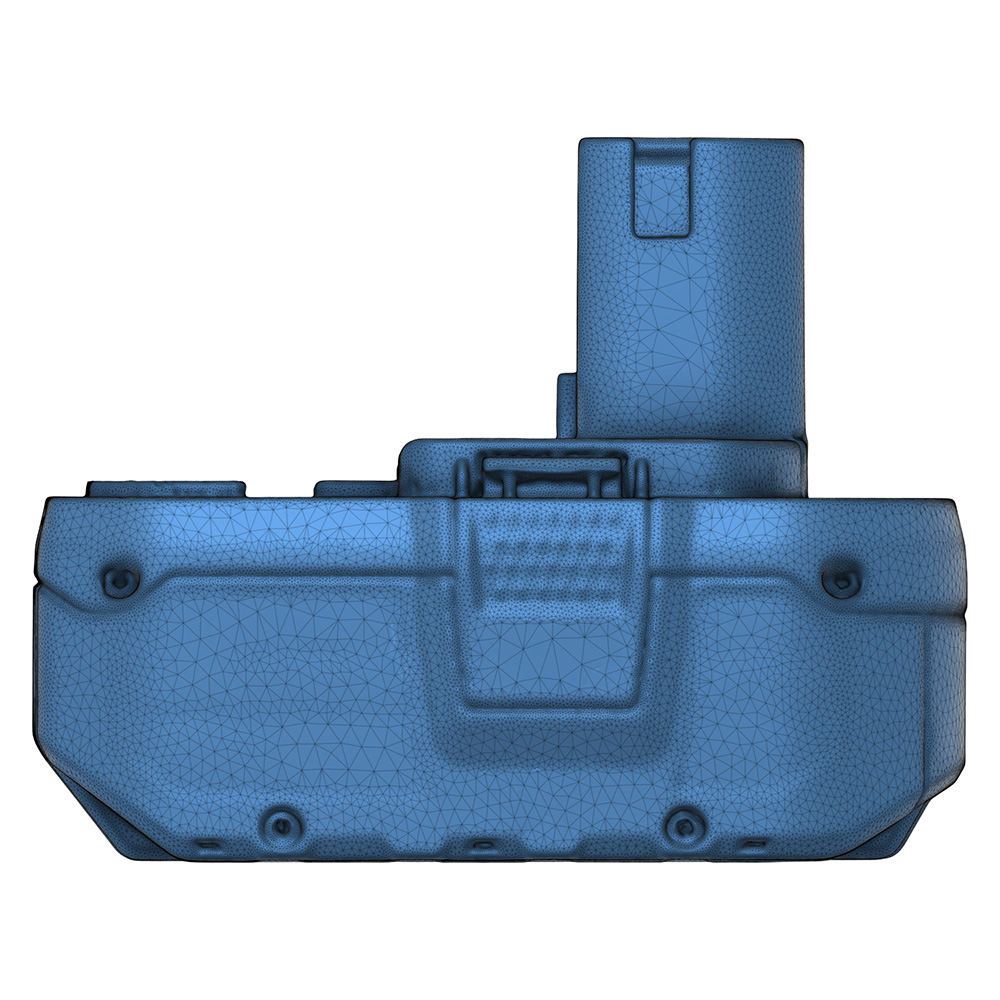
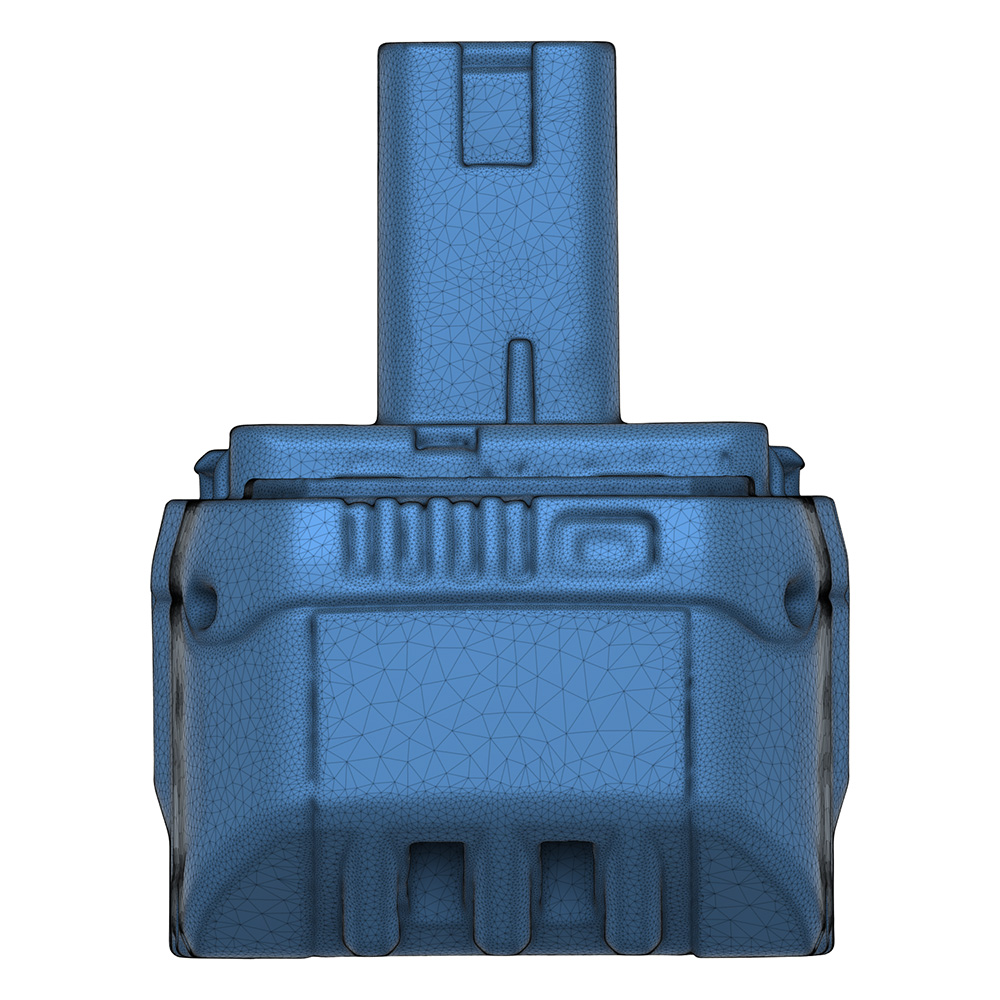
The battery was 3D laser scanned at a 0.2 mm resolution to accurately capture its geometry and fine surface detail. The resulting scan model was then aligned to the XYZ coordinate planes, creating a clean and accurately oriented digital reference ready for use in product design, CAD modelling, or reverse engineering. Despite the high level of detail captured, the final optimised mesh is only 11.7 MB, keeping the model lightweight and practical to work with without sacrificing important geometric detail.
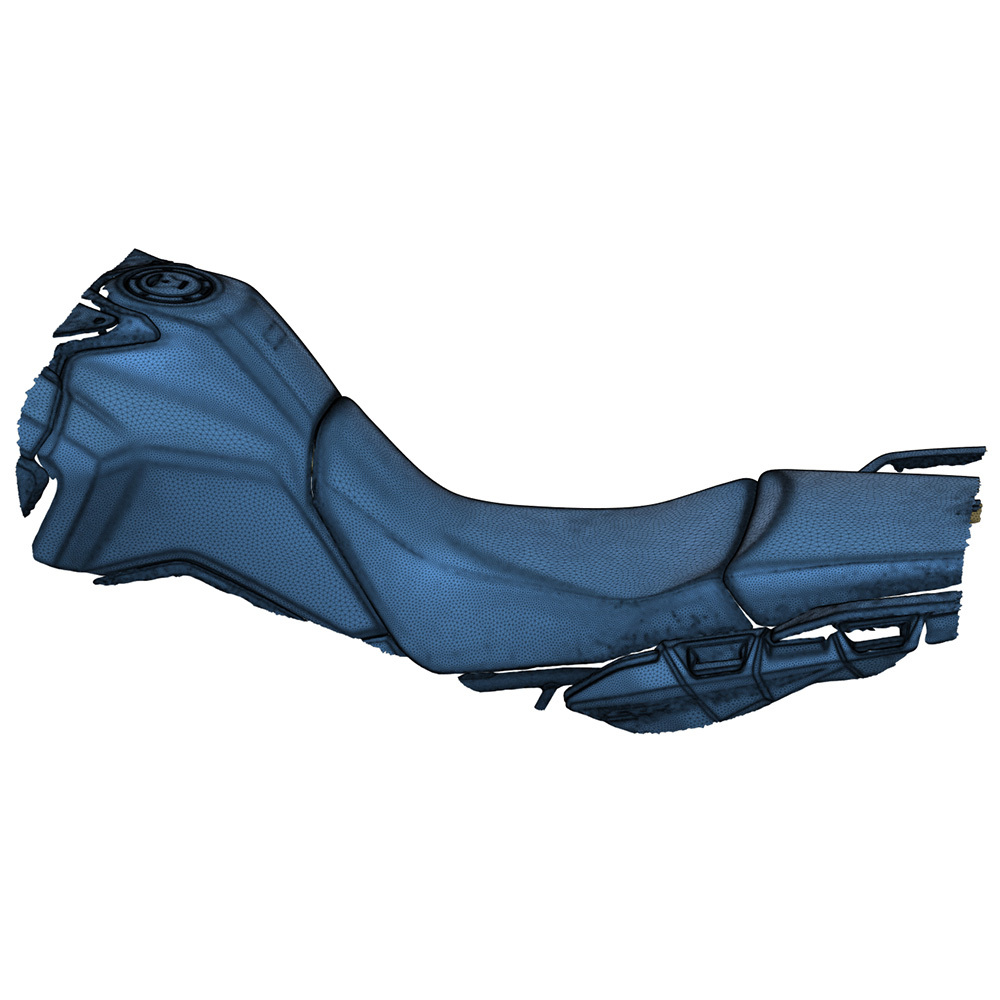
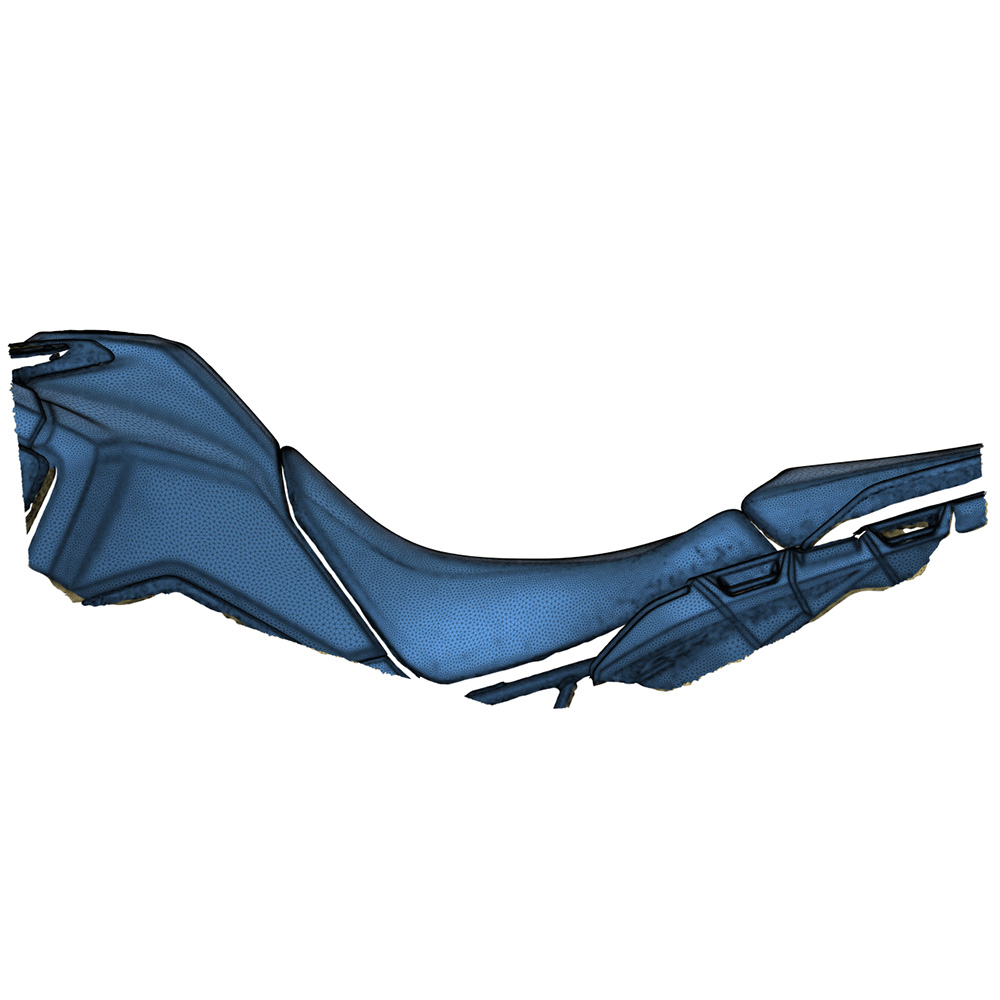
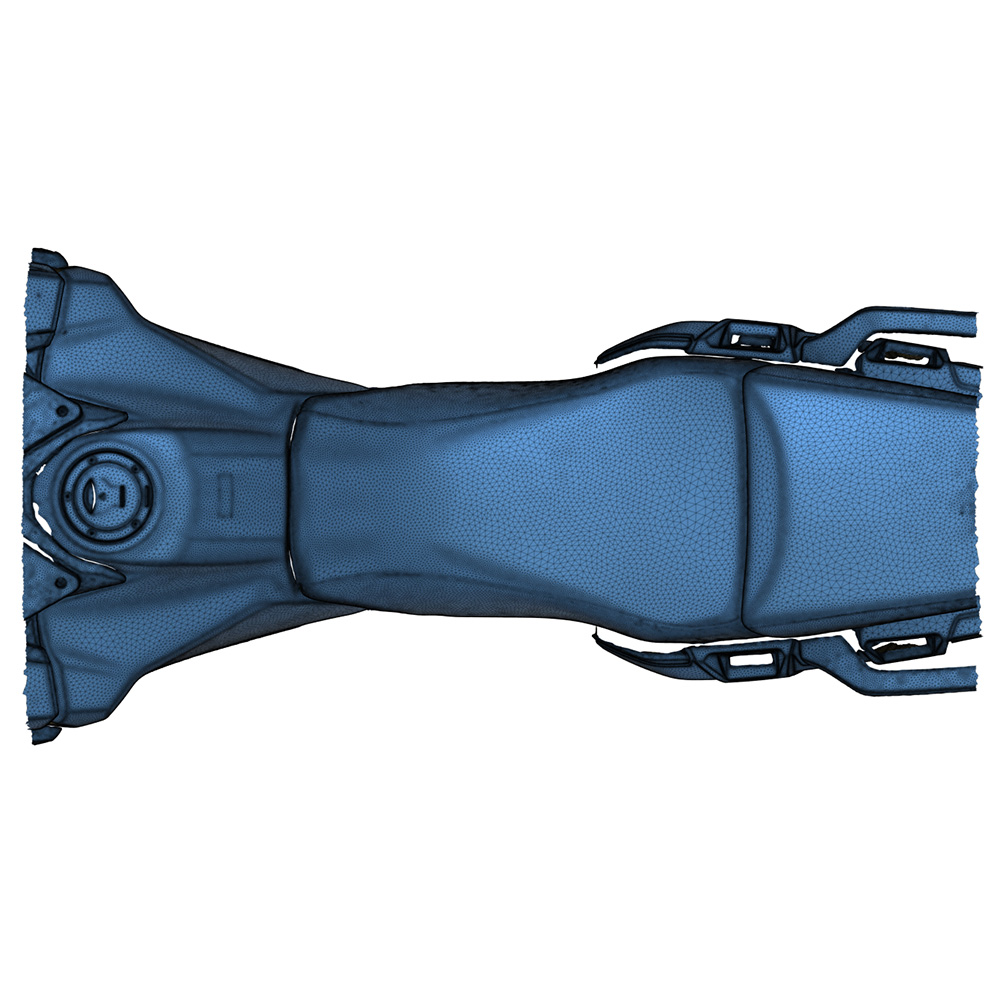
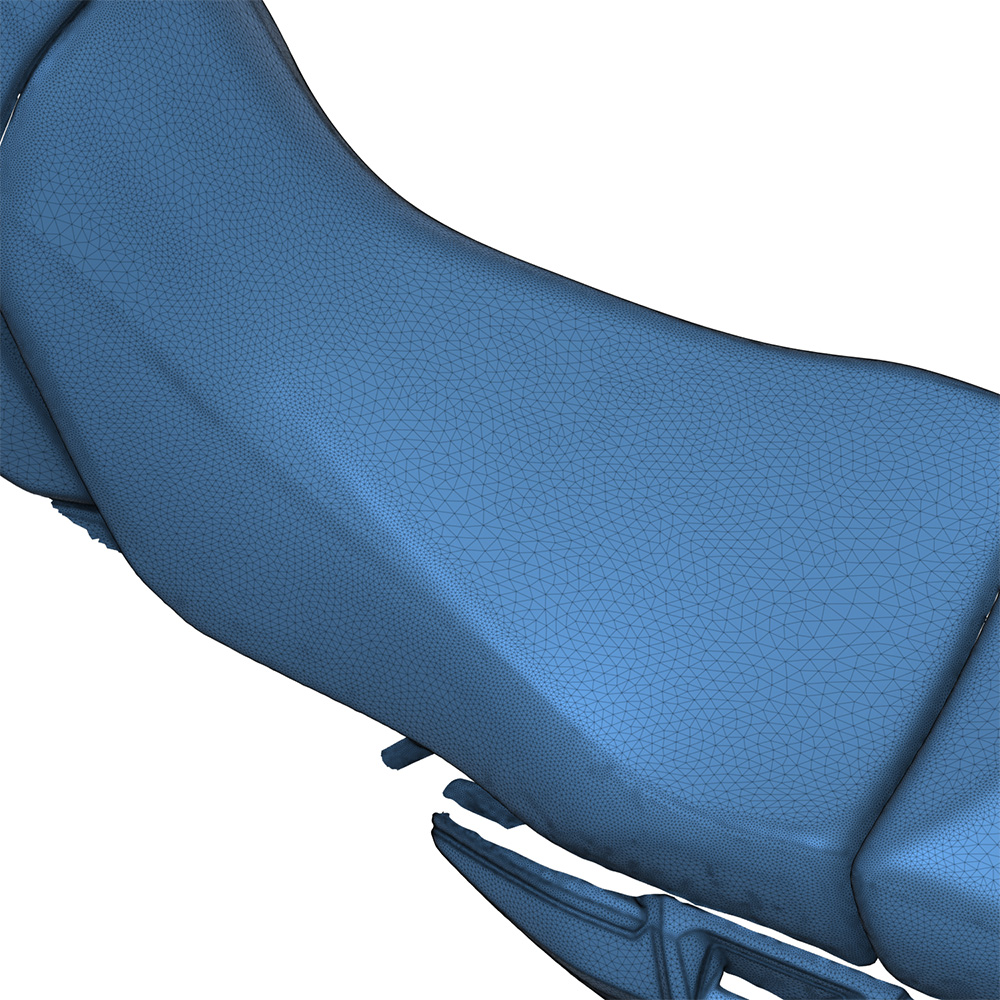
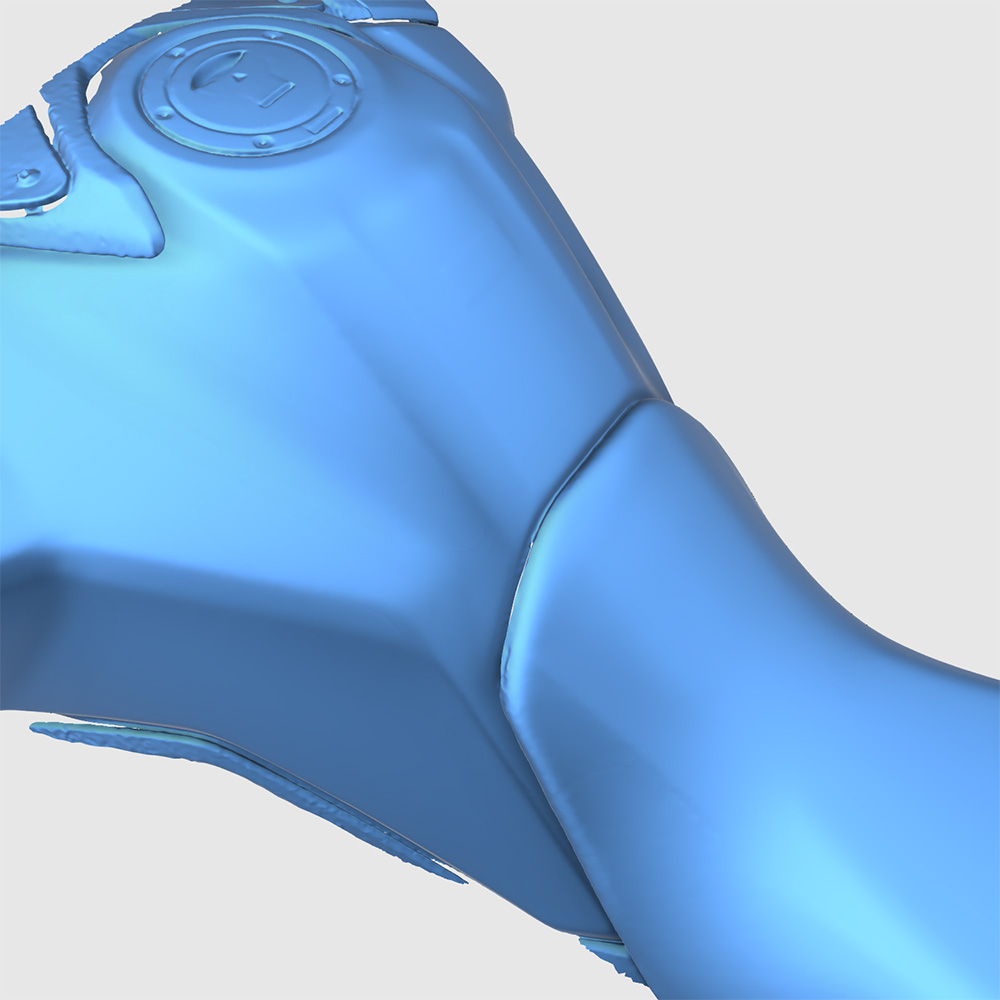
The motorbike seat area was 3D scanned using an infrared (IR) scanning method, which typically allows larger objects to be captured without the need for tracking markers or stickers. This method provides a faster and more efficient scanning process, making it ideal for larger components where extremely fine surface detail isn’t required. While it offers a lower level of detail than higher-resolution laser scanning methods, the resulting scan still provides more than enough accuracy and detail for most product design, CAD modelling, and reverse engineering applications.
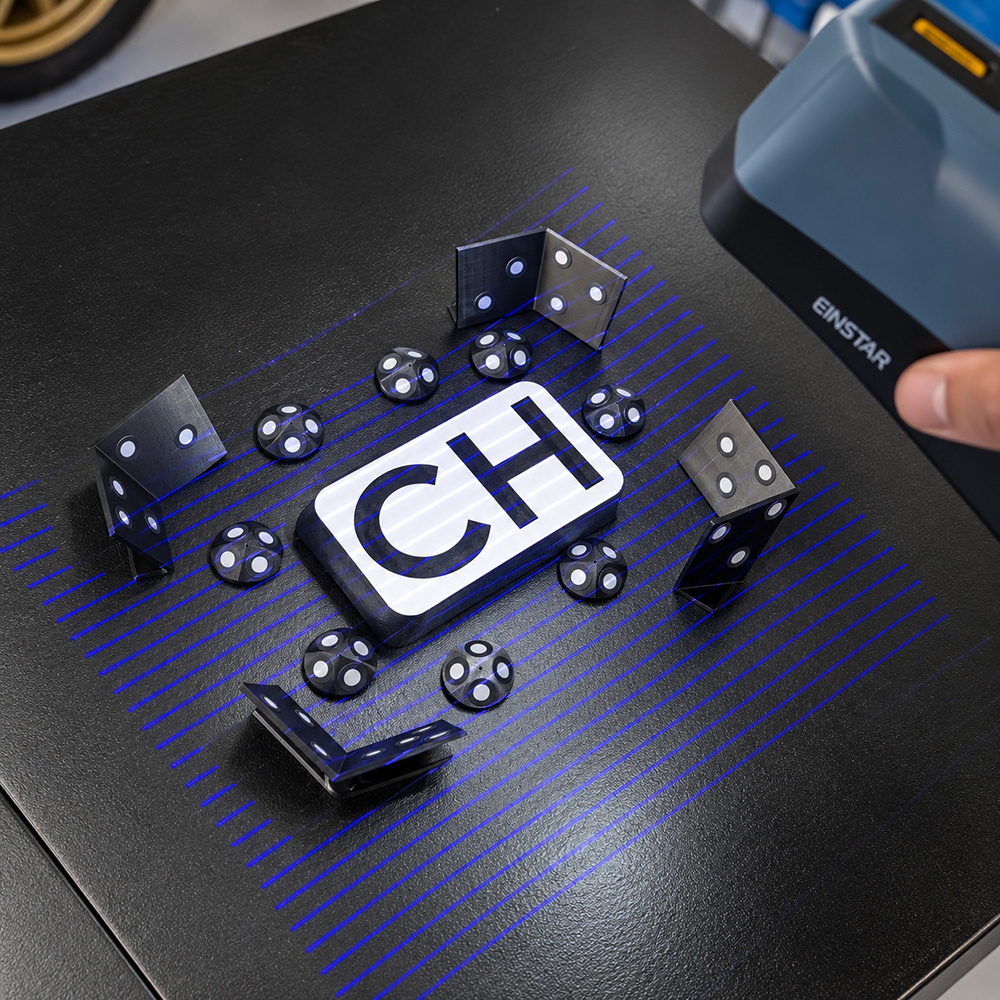



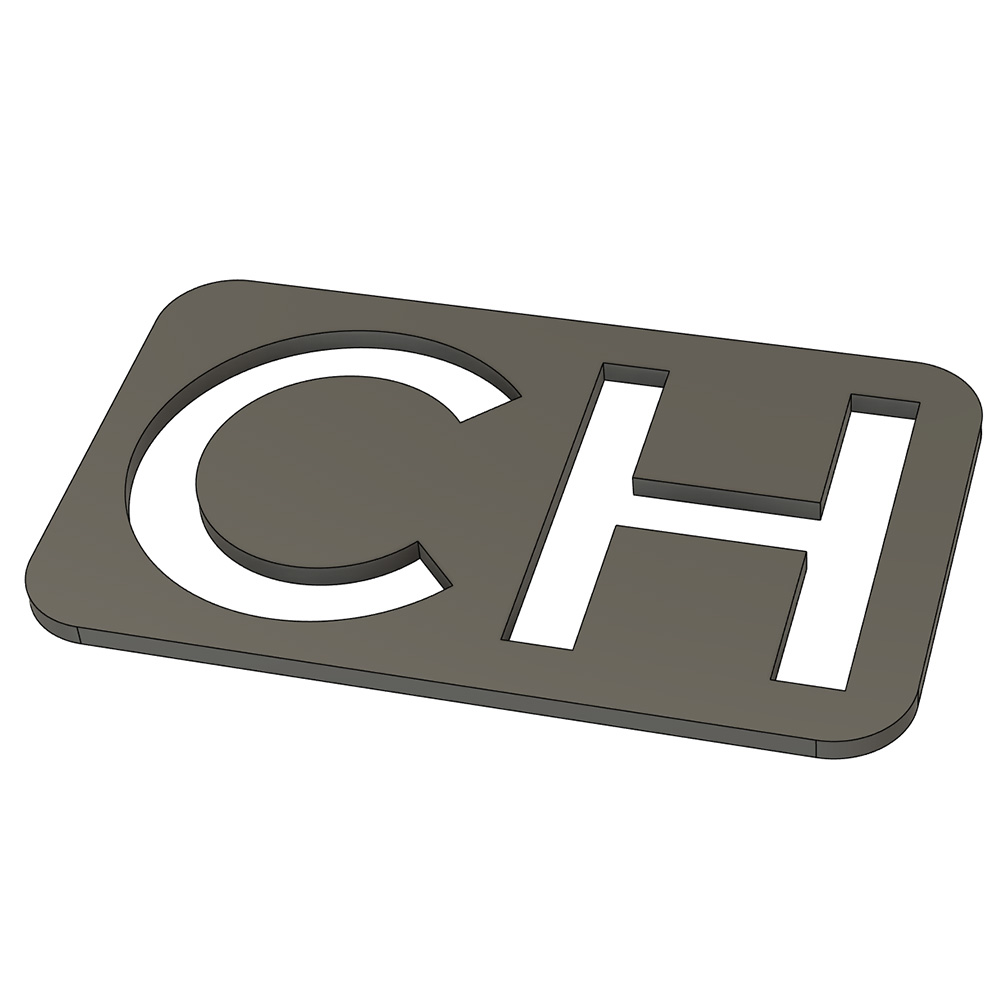
This original stencil needed to be accurately reproduced. The existing part was first 3D laser scanned to capture its exact shape, dimensions, and profile. Using the scan data as a precise reference, the part was then redrawn in CAD, creating a clean and highly accurate digital model of the original. With the part recreated digitally, it can now be used for a wide range of manufacturing and documentation purposes. The profile can be exported as a DXF file for CNC or laser cutting, while the 3D model can be used to 3D print a replacement, prepare the part for CNC machining, or create detailed technical drawings that accurately document its dimensions and geometry. This process is ideal for reverse engineering, reproducing obsolete or unavailable parts, and converting existing physical components into accurate, manufacture-ready CAD data.
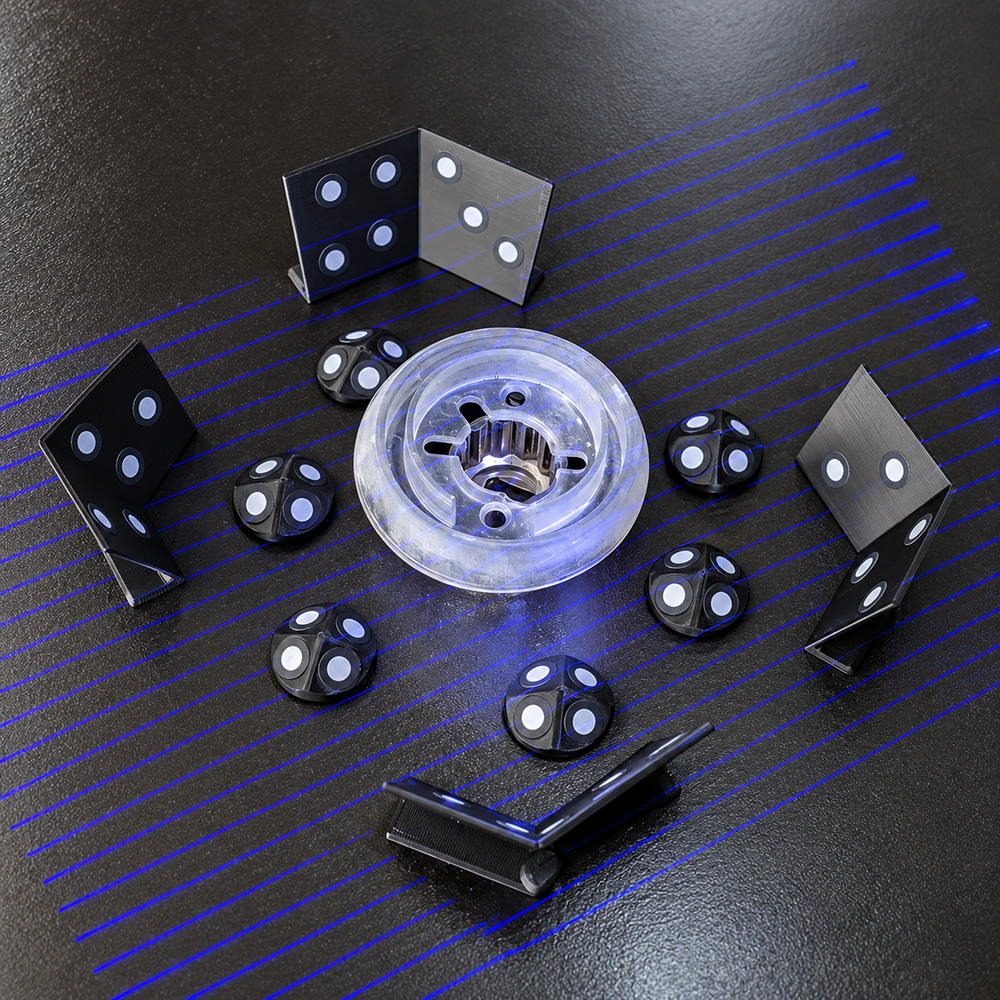
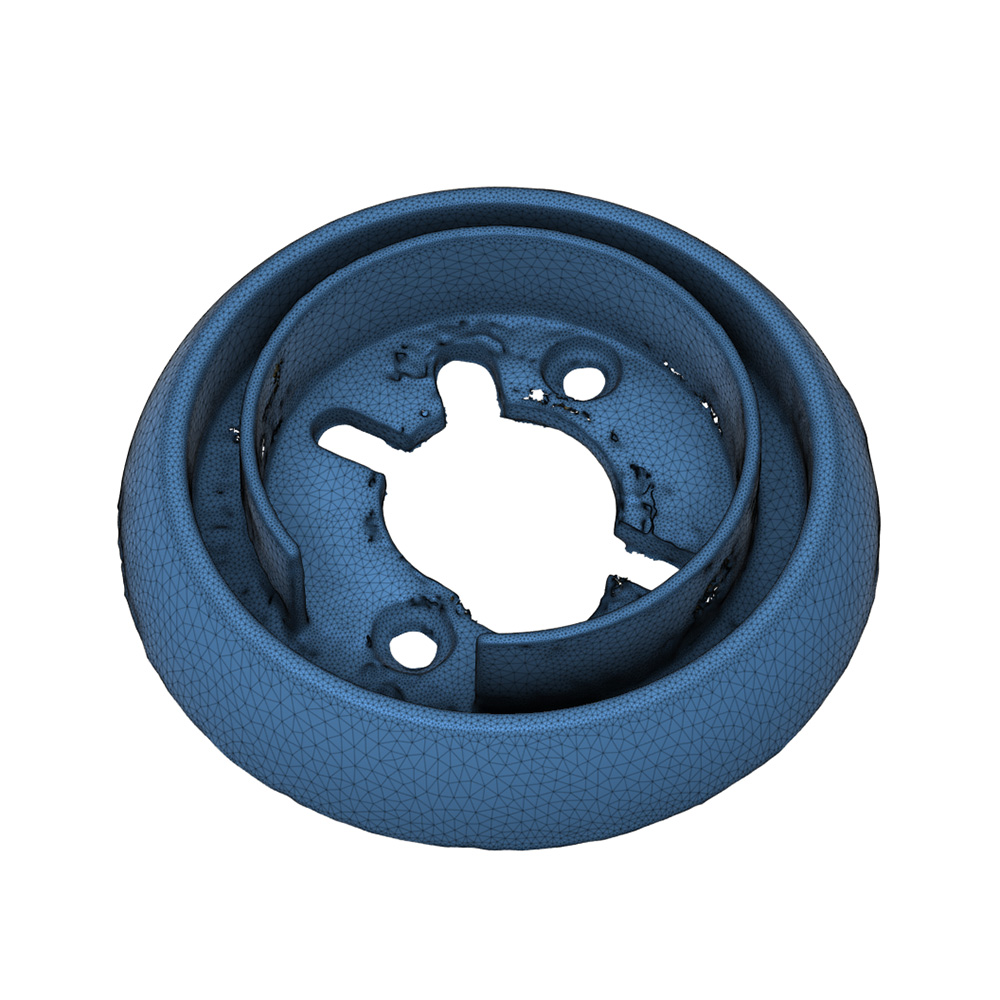
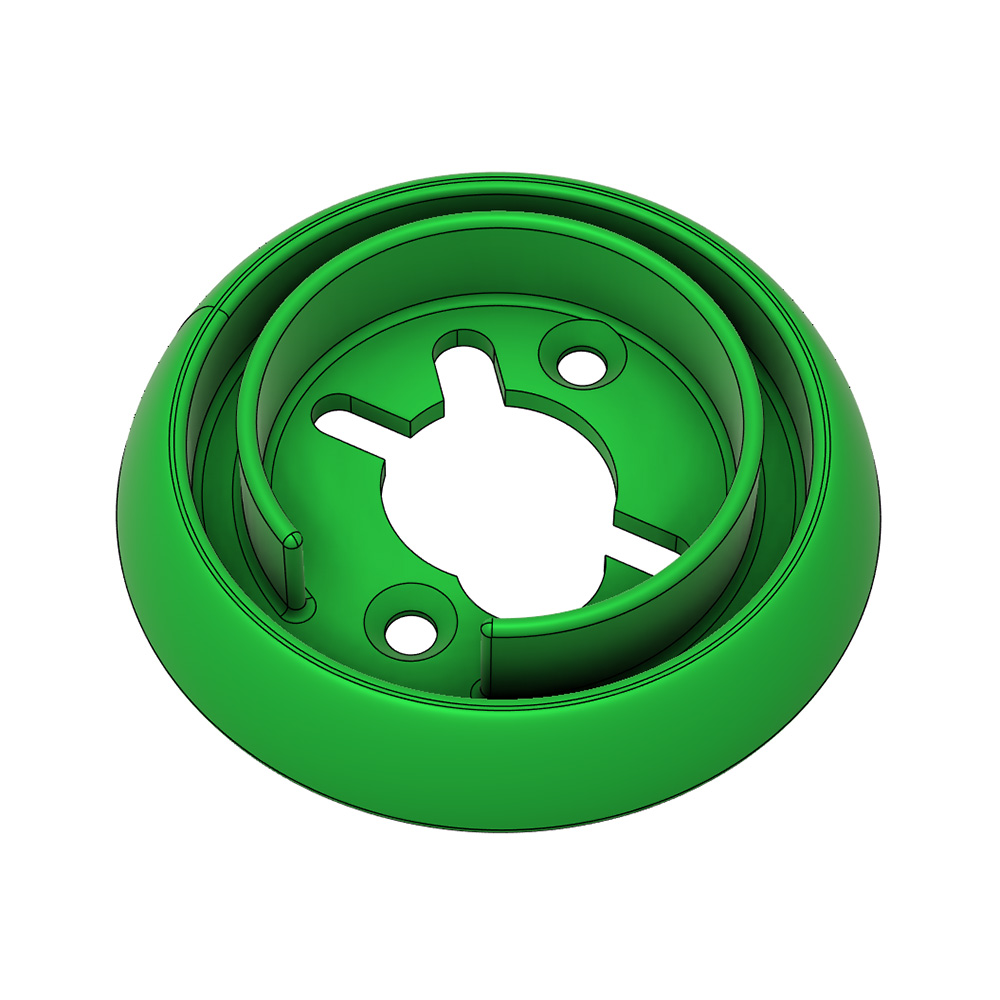
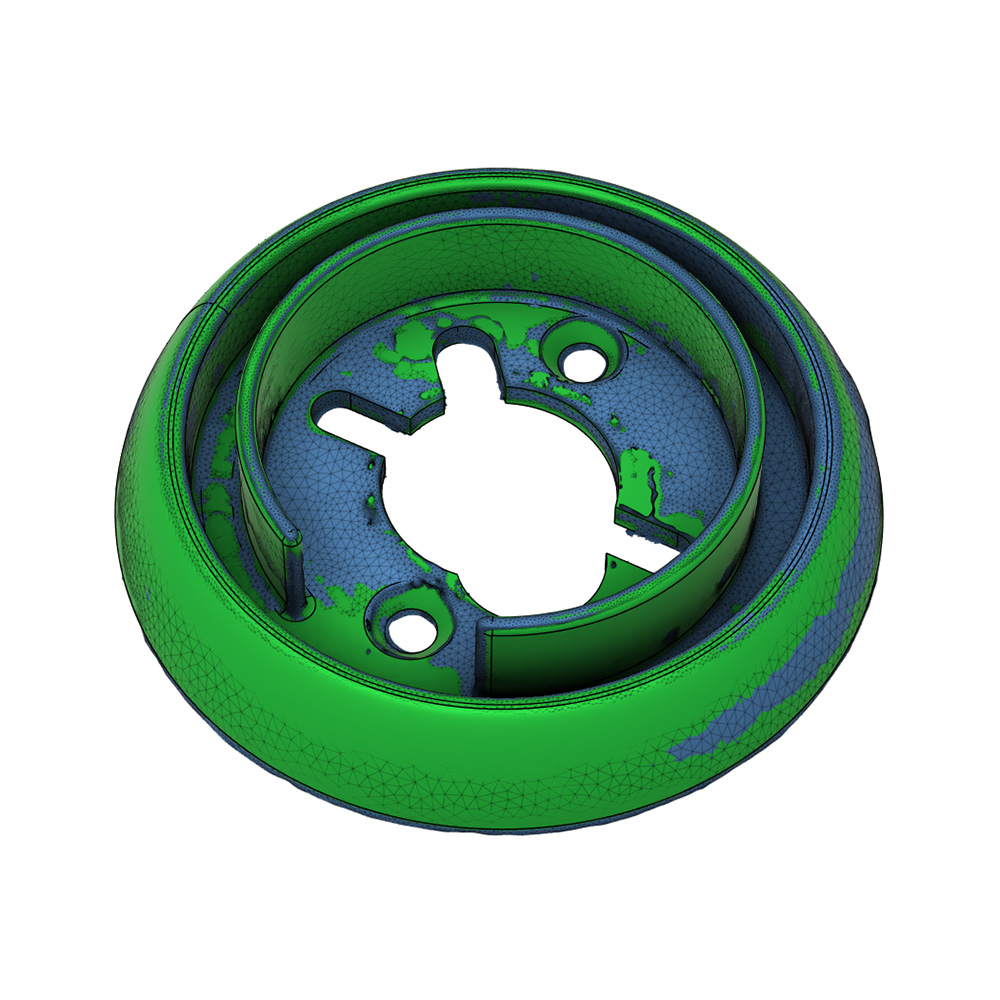
Replacement parts for this BBQ burner control knob assembly are no longer available to purchase new, making repair of the original assembly difficult. To create a replacement, the existing plastic base component was 3D scanned to accurately capture its shape, dimensions, mounting features, and surrounding geometry. The scan data was then used as a precise reference to reverse engineer the component in CAD, ensuring the new part would correctly fit the existing BBQ and control knob assembly. Rather than simply creating an exact copy, the reverse engineered CAD model can also be re-modelled, modified, or improved to suit specific customer requirements. Worn, damaged, or broken features can be repaired digitally, while dimensions, mounting features, clearances, or other aspects of the design can be adjusted where required. The finished CAD model can then be 3D printed in a suitable material to produce new replacement parts, providing a practical way to keep the BBQ operational even though the original components are no longer commercially available.